
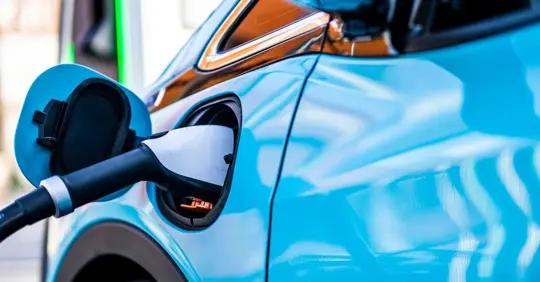
Electric vehicles are becoming more common across Kentucky, and many homeowners are installing EV chargers at home for convenience. While charging at home is simple in practice, it does place added demand on your electrical system. Understanding how this works can help you make safer, more informed decisions for your home.
If you’re considering adding EV charging or noticing electrical strain in your home, Johnson Heating, Cooling and Electrical Services can help you evaluate your system and options: Reach out online or call (859) 376-5146.
What an EV Charger Does to Your Electrical System
An EV charger pulls a steady, high amount of electricity for several hours while your vehicle charges. This is different from everyday appliances like TVs or lamps, which use small bursts of power.
There are two main types of home charging:
- Level 1 chargers: Use a standard home outlet, slower charging
- Level 2 chargers: Require a dedicated circuit, faster and more powerful
Level 2 chargers are more common for daily home use, but they also place a higher demand on your electrical panel.
Why Your Electrical Panel Matters
Your electrical panel is the “control center” of your home’s power. It sends electricity safely to different parts of your house.
When you add an EV charger, your panel has to handle:
- Increased continuous power use
- Longer charging cycles (often overnight)
- Additional load alongside HVAC and appliances
If your panel is older or already near capacity, it may struggle to support EV charging safely without upgrades or adjustments.
Our electrical services can help evaluate whether your current system is ready for this kind of demand.
Signs Your Home May Need an Electrical Upgrade
Before installing an EV charger, ensure your system can handle the load.
Watch for these common signs:
- Breakers tripping when multiple appliances run
- Flickering or dimming lights
- Warm or outdated electrical panel
- Limited available breaker space
These signs don’t always mean your system is unsafe, but they do suggest it should be reviewed before adding high-demand equipment like an EV charger.
How EV Charging Affects Daily Power Use
Charging your vehicle at home usually takes several hours, often overnight. This can change how your home uses electricity overall.
Key impacts include:
- Higher overnight energy demand
- Increased load on wiring and breakers
- More consistent power draw compared to normal appliances
A properly designed system helps balance this load, keeping your home safe and functional while charging.
Why Professional Installation Matters
EV chargers are not just plug-and-play devices for most homes. Proper installation ensures your system can safely handle the added electrical load.
A professional assessment can help:
- Confirm panel capacity
- Identify needed upgrades
- Install dedicated circuits if required
- Reduce risk of overload issues
This step helps ensure your home remains safe and efficient while supporting new technology.
Preparing Your Home for the Future
As more households move toward electric vehicles, home electrical systems are being asked to do more than ever before. Planning helps avoid unexpected issues later.
A few smart steps include:
- Reviewing your panel capacity before installing a charger
- Keeping electrical systems updated
- Addressing small electrical issues early
- Scheduling routine inspections
These steps help ensure your home is ready for both current and future energy needs.
When to Get Help
If you’re unsure whether your home can support an EV charger, it’s best to have a professional inspect it before installation. Johnson Heating, Cooling and Electrical Services helps homeowners in Butler, KY understand their electrical capacity and safe upgrade options.
To learn more or schedule an evaluation, contact us or call (859) 376-5146.